

Commercial Solar Installation Steps
- Jun 12, 2025
- 3 min read
Updated: Jul 19, 2025
Embarking on a commercial solar installation journey in South Africa can seem daunting. However, with proper planning and the right partner, it can be a smooth and rewarding transition. From design to final commissioning and compliance, understanding the key steps is vital for success.
1. The Initial Assessment and System Design
The first crucial step is a comprehensive assessment of your business's energy needs and site specifics. Elicity, a reputable solar provider in your area, will conduct several important evaluations:
Energy Audit: They will analyze your historical electricity consumption patterns, including peak demand and base load. This helps determine the optimal system size to meet your needs and maximize savings.
Site Assessment: The condition, shading, orientation, and structural integrity of your roof or ground area for solar panel placement will be evaluated.
Load Profile Analysis: Understanding your business's electricity usage throughout the day allows for designing a system that aligns with operational hours.
Battery Storage Integration: Elicity will determine if battery energy storage systems (BESS) are necessary for resilience against load shedding or peak shaving strategies.
System Sizing and Technology Selection: Depending on the assessments, they will recommend appropriate solar panel technology, inverters, and battery storage solutions tailored to your objectives and budget.
2. Choosing the Right Commercial Solar Installer in South Africa
This decision is critical. The quality of your installation affects system performance, longevity, and safety. Here are key considerations:
Accreditation and Certification: Ensure the installer is accredited by the South African Photovoltaic Industry Association (SAPVIA), and their electricians are qualified.
Experience: Choose a company with a proven track record in commercial solar installations. Ask for references and, if possible, visit completed projects.
Comprehensive Service: Opt for installers that offer end-to-end solutions, from design to ongoing maintenance.
Warranties and Guarantees: Understand the warranties on all components.
Safety Standards: Verify their commitment to health and safety regulations on site.
3. Navigating Grid-Tied Solar Regulations and Compliance in South Africa
South Africa has improved regulations for embedded generation, but compliance is still essential. For grid-tied systems, businesses must adhere to guidelines established by relevant authorities:
NERSA (National Energy Regulator of South Africa): For systems above specific thresholds, the licensing threshold has been raised to 100MW, which simplifies the process for many commercial projects.
Eskom / Local Municipality: You must register and get approval to connect your solar system to the national grid, ensuring stability and allowing potential wheeling or net-billing arrangements.
SANS Standards: Compliance with South African National Standards (SANS) for electrical installations is necessary.
Certificate of Compliance (CoC): A valid CoC from a qualified electrician is legally required for any electrical installation, including solar setups.
Key Regulatory Considerations in 2025
100MW Licensing Exemption: This exemption will last until March 2026, significantly reducing regulatory hurdles for many installations.
Wheeling and Net-Billing Frameworks: Progress is underway to allow businesses to sell excess power back to the grid (net-billing) or transmit power from off-site generation (wheeling). This adds financial benefits, and while municipal policies vary, the trend is towards enabling these mechanisms.
4. The Installation and Commissioning Process
Once the design and approvals are complete, the physical installation begins. The process involves several steps:
Structural Preparations: Ensuring roofs or ground structures can support the system safely.
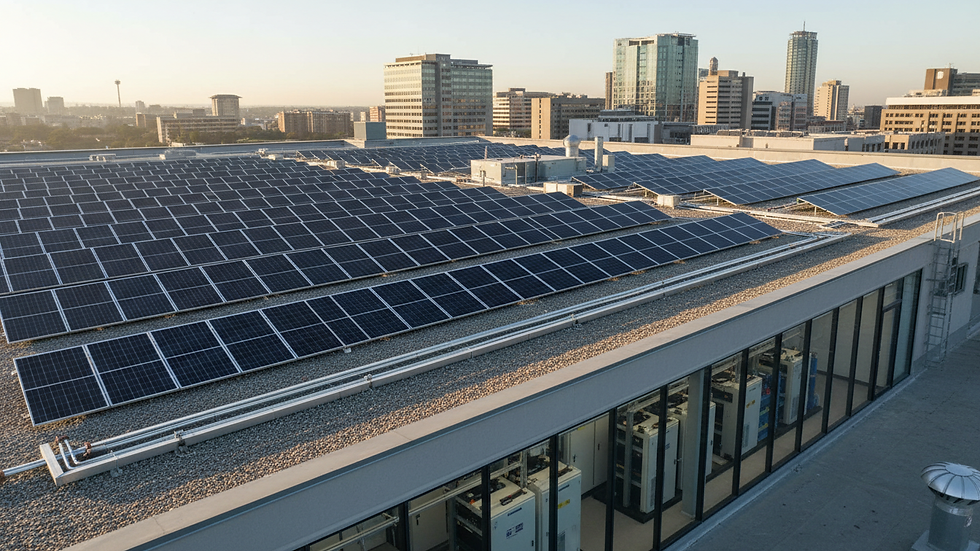
Panel Mounting: Securing the installation of solar panels.
Electrical Wiring: Connecting panels to inverters and your electrical distribution board.
Inverter and Battery Installation: Setting up the inverter and any associated battery storage.
Safety Checks: Conducting rigorous tests and inspections throughout the installation.
Commissioning: Powering up the system and verifying performance while integrating it with your existing electrical infrastructure.
5. Post-Installation: Monitoring and Maintenance
A well-installed solar system needs minimal yet critical maintenance. Your installer should provide:
Performance Monitoring: Access to a real-time monitoring platform for energy generation, consumption, and system health.
Routine Checks: Periodic inspections and cleaning of panels to maintain efficiency.
Troubleshooting and Support: Prompt assistance for any issues that arise.
By approaching your commercial solar installation carefully and partnering with Elicity's expert installers, your South African business can transition smoothly to reliable, cost-effective, and sustainable energy.
Conclusion
In conclusion, commercial solar installation is a worthwhile investment for businesses in South Africa. With the right preparation and partner, you can enhance your operational efficiency and contribute to a sustainable future. Embrace the opportunities that solar energy offers and position your business for long-term success.


Comments