

Conducting Effective Energy Audits for Cape Town Businesses: Unlocking Savings and Energy Security
Energy costs in South Africa continue to rise, and Eskom’s supply challenges make uninterrupted power a growing concern. For businesses in Cape Town, conducting an energy audit is a critical step toward reducing reliance on the grid, controlling operational expenses, and improving resilience.
An effective energy audit provides measurable insights and actionable recommendations that deliver real financial returns. In this post, I will guide you through the essentials of conducting energy audits in Cape Town, focusing on practical steps, expected outcomes, and how to maximise your investment.
Why Energy Audits in Cape Town Are Essential for Your Business
Cape Town businesses face unique energy challenges. Eskom tariffs increase unpredictably, and load shedding disrupts operations. An energy audit helps you:
Identify energy waste and inefficiencies in your facility
Quantify potential savings with clear percentage reductions
Prioritise upgrades with the best payback periods and ROI
Plan for energy resilience through solar and battery integration
Reduce carbon footprint and meet sustainability goals
By understanding your energy profile, you can make informed decisions that protect your bottom line and ensure operational continuity.

The Energy Audit Process: Step-by-Step for Cape Town Businesses
A thorough energy audit involves several key stages:
1. Preliminary Assessment and Data Collection
Gather utility bills, equipment lists, and operational schedules. This baseline data reveals consumption patterns and cost drivers.
2. On-Site Inspection
A technical team inspects lighting, HVAC, motors, refrigeration, and other systems. They use tools like power meters and thermal cameras to detect inefficiencies.
3. Energy Use Analysis
Analyze data to identify high-consumption areas and equipment. Calculate energy intensity metrics (kWh/m² or kWh/unit of production).
4. Opportunity Identification
Pinpoint energy-saving measures such as LED lighting retrofits, motor upgrades, insulation improvements, and process optimisation.
5. Financial Evaluation
Estimate costs, savings, payback periods, and ROI for each measure. This helps prioritise investments with the best commercial impact.
6. Reporting and Recommendations
Deliver a clear, actionable report with quantified savings and implementation plans.
How to Maximise ROI from Your Business Energy Audit Cape Town
To ensure your energy audit delivers measurable results, focus on these best practices:
Engage experienced auditors familiar with local conditions and Eskom tariffs.
Use detailed data logging over several weeks to capture true consumption patterns.
Prioritise quick wins like lighting upgrades that often pay back within 12-18 months.
Consider integrated solutions combining solar PV and battery storage to reduce grid dependency.
Plan for long-term savings by investing in efficient HVAC and process equipment.
Monitor post-implementation to verify savings and adjust operations.
By following these steps, many Cape Town businesses achieve energy cost reductions of 15-40% and payback periods under 3 years.

Practical Examples of Energy Savings in Cape Town Businesses
Here are some real-world examples of energy audit outcomes:
Warehouse Lighting Retrofit: Replacing fluorescent tubes with LED fixtures reduced lighting energy use by 50%, saving R30,000 annually with a 2-year payback.
HVAC Optimisation in a School: Upgrading to variable speed drives and improving insulation cut HVAC energy consumption by 25%, saving R45,000 per year.
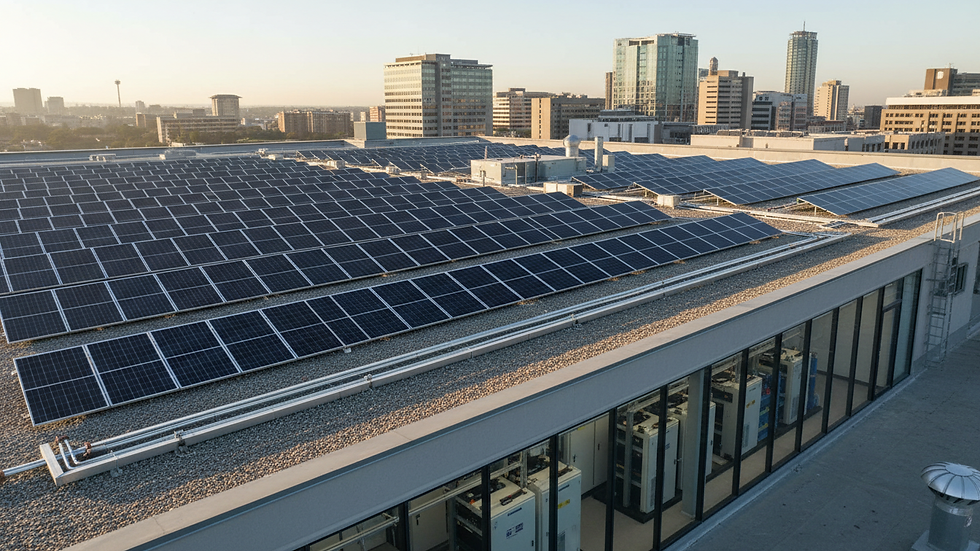
Petrol Station Solar Integration: Installing a solar PV system with battery backup reduced grid consumption by 60%, lowering Eskom bills by R120,000 annually and providing uninterrupted power during load shedding.
These examples demonstrate how targeted interventions deliver strong financial returns and energy security.
Taking the Next Step: Secure Your Energy Future Today
If you want to reduce your energy costs, improve resilience, and protect your business from rising Eskom tariffs, start with a professional energy audit.
At Elicity, we specialise in engineered solar and battery solutions designed to maximise ROI and long-term energy security for Cape Town businesses. Our audits provide clear, measurable results and a roadmap to energy independence.
Contact us today to schedule your energy audit and take control of your energy future.
📞 021 140 8248
Unlocking Sustainable Growth Through Energy Efficiency
Energy audits are not just about cutting costs - they are a strategic investment in your business’s sustainability and competitiveness. By understanding your energy use and implementing smart solutions, you can:
Protect your business from Eskom tariff hikes
Ensure uninterrupted operations during load shedding
Improve your environmental footprint
Increase asset value through energy-efficient upgrades
The time to act is now. Let’s work together to engineer a resilient, cost-effective energy future for your Cape Town business.


Comments