

Practical Eskom Tariff Management Strategies for South Africa
The rising cost of electricity in South Africa has become a pressing concern for many. Eskom tariff increases affect not only your monthly bills but also the overall cost of living and doing business. As energy prices climb, it is essential to explore practical ways to manage and mitigate these increases effectively. In this post, I will share actionable strategies that can help you reduce your electricity expenses and maintain energy security.
Understanding Eskom Tariff Management Strategies
Managing Eskom tariffs requires a clear understanding of how electricity pricing works and what options are available to you. Eskom’s tariffs are structured to reflect the cost of generating and distributing electricity, but these costs have been rising steadily due to various factors such as infrastructure maintenance and fuel price fluctuations.
To manage these increases, you can:
Monitor your electricity consumption closely: Knowing when and how you use electricity helps identify areas for savings.
Shift usage to off-peak hours: Eskom offers different tariffs for peak and off-peak times. Using high-energy appliances during off-peak hours can reduce costs.
Invest in energy-efficient appliances: Appliances with high energy ratings consume less power, lowering your bills over time.
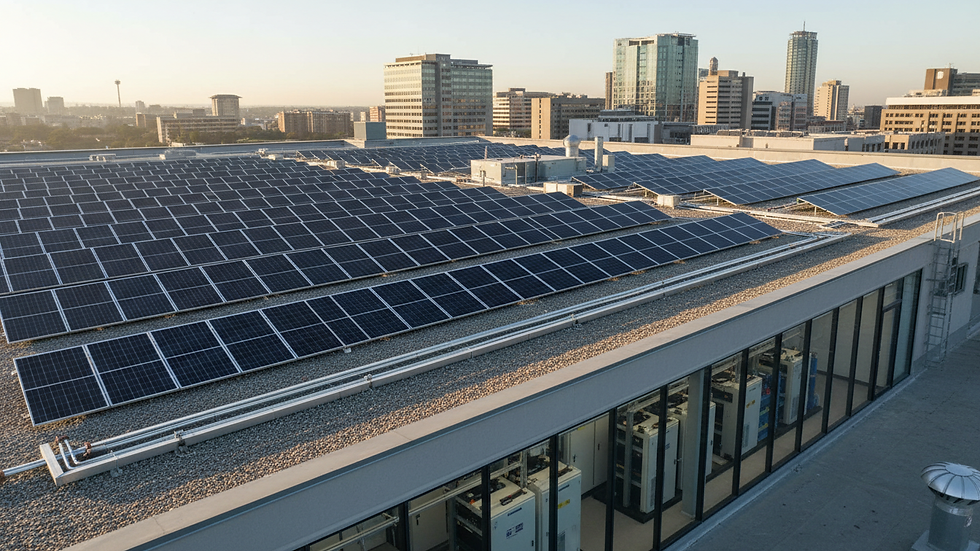
Consider alternative energy sources: Solar panels and other renewable energy options can reduce dependence on Eskom’s grid.
By adopting these strategies, you can take control of your electricity expenses and reduce the impact of tariff hikes.

Did Nersa Approve Eskom Electricity Tariff Increase?
The National Energy Regulator of South Africa (Nersa) plays a crucial role in approving Eskom’s tariff adjustments. Each year, Eskom submits a tariff application to Nersa, which reviews the request based on Eskom’s financial needs and the impact on consumers.
In recent years, Nersa has approved increases, but often at lower rates than Eskom initially requested. This regulatory oversight aims to balance Eskom’s financial sustainability with consumer protection. However, even approved increases can strain household and business budgets.
Understanding Nersa’s role helps you anticipate potential tariff changes and plan accordingly. Staying informed about these decisions allows you to adjust your energy usage and explore alternatives proactively.
Practical Energy-Saving Tips for Homes and Businesses
Reducing electricity consumption is the most direct way to manage tariff increases. Here are some practical tips you can implement immediately:
Upgrade to LED lighting: LEDs use up to 80% less energy than traditional bulbs and last longer.
Unplug devices when not in use: Many electronics consume power even when turned off.
Use energy-efficient heating and cooling systems: Proper insulation and modern HVAC units reduce energy waste.
Install smart meters and timers: These devices help monitor and control electricity use more effectively.
Regular maintenance of electrical equipment: Well-maintained appliances run more efficiently.
For businesses and agricultural operations, consider:
Implementing energy audits: Identify high-consumption areas and optimize processes.
Using energy management systems: Automate and control energy use across facilities.
Investing in backup generators or solar farms: Reduce reliance on the grid during peak tariff periods.
These steps not only lower your bills but also contribute to a more sustainable energy future.

Exploring Renewable Energy as a Long-Term Solution
One of the most effective ways to combat Eskom tariff increases is by investing in renewable energy. Solar power, in particular, has become increasingly accessible and affordable in South Africa.
By installing solar panels, you can generate your own electricity, reducing your dependence on Eskom’s grid. This not only cuts costs but also provides energy security during load shedding or outages. Additionally, excess energy generated can sometimes be fed back into the grid, offering potential credits or income.
Other renewable options include wind turbines and biogas systems, which may be suitable for larger agricultural or industrial operations.
When considering renewable energy, it is important to:
Assess your energy needs and consumption patterns.
Consult with trusted installers who understand local regulations and incentives.
Factor in initial investment costs versus long-term savings.
Renewable energy solutions align well with the goal of energy independence and can significantly mitigate the impact of future tariff increases.
How to Access Reliable Eskom Tariff Increase Solutions
Navigating Eskom tariff increases can be challenging, but you don’t have to do it alone. There are trusted partners and service providers who specialize in helping you manage energy costs and improve security.
For example, companies like Elicity offer tailored solutions that combine energy efficiency, renewable energy installations, and security systems. Their decade of expertise ensures that you receive reliable advice and professional installations that meet your specific needs.
By working with experts, you can implement effective eskom tariff increase solutions that reduce your electricity bills and enhance your energy independence.
Preparing for Future Eskom Tariff Changes
Electricity tariffs are likely to continue fluctuating due to economic and infrastructural factors. Preparing for these changes involves:
Regularly reviewing your energy consumption and costs.
Staying informed about Eskom and Nersa announcements.
Investing in energy-saving technologies and renewable energy.
Building a contingency plan for energy supply disruptions.
By taking a proactive approach, you can minimize the financial impact of tariff increases and maintain operational stability.
Managing Eskom tariff increases requires a combination of awareness, practical action, and strategic investment. Whether you are a homeowner, business owner, or agricultural operator, adopting these strategies will help you control your energy costs and secure your energy future. With the right knowledge and support, you can turn rising tariffs into an opportunity for greater energy independence and sustainability.


Comments