

Practical Eskom Tariff Management Strategies for South Africa
The rising cost of electricity in South Africa has become a pressing concern for many. Eskom tariff increases affect not only your monthly bills but also the overall cost of living and doing business. As energy prices climb, it is essential to explore practical ways to manage these increases effectively. In this post, I will share actionable strategies that can help you reduce your electricity expenses and maintain energy security.
Understanding Eskom Tariff Management Strategies
Managing Eskom tariff increases requires a clear understanding of how tariffs are structured and what options are available to you. Eskom’s tariffs are designed to cover the cost of generating and distributing electricity, but they often rise due to operational challenges and infrastructure investments.
To manage these increases, you can:
Monitor your electricity consumption closely to identify peak usage times.
Shift energy use to off-peak hours where tariffs are lower.
Invest in energy-efficient appliances that consume less power.
Consider alternative energy sources such as solar power to reduce reliance on the grid.
By adopting these strategies, you can take control of your energy costs and reduce the impact of tariff hikes.

Practical Steps to Reduce Electricity Costs
Reducing your electricity bill starts with simple, practical steps that anyone can implement. Here are some effective measures:
Conduct an energy audit: Identify which appliances or systems consume the most electricity. This will help you target areas for improvement.
Upgrade to LED lighting: LED bulbs use up to 80% less energy than traditional incandescent bulbs.
Use smart meters and timers: These devices help you track and control your electricity usage, especially during peak tariff periods.
Improve home insulation: Proper insulation reduces the need for heating and cooling, which are major energy consumers.
Maintain appliances regularly: Well-maintained appliances operate more efficiently and consume less power.
For businesses and agricultural operations, consider investing in energy management systems that provide real-time data and automate energy-saving measures.

Did Nersa Approve Eskom Electricity Tariff Increase?
The National Energy Regulator of South Africa (Nersa) plays a critical role in approving Eskom’s tariff increases. Their mandate is to ensure that tariffs are fair and justified, balancing Eskom’s financial needs with consumer protection.
In recent years, Nersa has approved several tariff increases, citing Eskom’s need to cover operational costs and infrastructure upgrades. However, these approvals often come with conditions aimed at encouraging Eskom to improve efficiency and reduce costs.
Understanding Nersa’s decisions helps you anticipate future tariff changes and plan accordingly. Staying informed about regulatory developments is a key part of managing your electricity expenses.
Exploring Renewable Energy as a Long-Term Solution
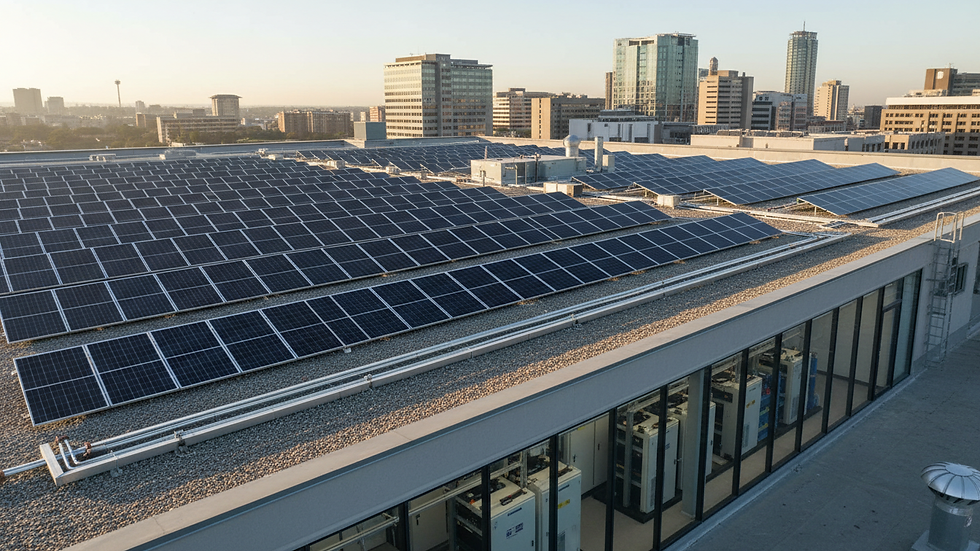
One of the most effective ways to combat rising Eskom tariffs is to invest in renewable energy solutions. Solar power, in particular, has become increasingly accessible and affordable in South Africa.
By installing solar panels, you can generate your own electricity, reducing your dependence on Eskom’s grid. This not only lowers your monthly bills but also provides energy security during load shedding or outages.
Additional benefits include:
Government incentives and rebates for renewable energy installations.
Increased property value due to energy-efficient upgrades.
Environmental benefits by reducing your carbon footprint.
For farms and businesses, combining solar with battery storage systems can ensure continuous power supply and further reduce costs.
How to Implement Eskom Tariff Increase Solutions Effectively
To successfully manage the impact of Eskom tariff increases, you need a comprehensive approach. Here are some tips to implement eskom tariff increase solutions effectively:
Start with a detailed energy assessment to understand your current consumption patterns.
Set clear energy-saving goals and track progress regularly.
Engage with trusted energy partners who can provide tailored solutions and professional installations.
Consider financing options that make renewable energy investments more affordable.
Educate your household or staff about energy-saving practices to ensure everyone contributes.
By taking these steps, you can build resilience against future tariff hikes and enjoy greater control over your energy costs.
Moving Towards Energy Independence and Security
The challenge of Eskom tariff increases is significant, but it also presents an opportunity to rethink how we use and source electricity. By adopting practical strategies and embracing renewable energy, you can achieve greater energy independence and security.
Whether you are a homeowner, business owner, or farmer, taking proactive steps today will pay off in the long run. Reducing your reliance on Eskom’s grid not only saves money but also contributes to a more sustainable and stable energy future for South Africa.
Remember, managing electricity costs is not just about reacting to tariff increases but about creating a smarter, more efficient energy system that works for you.
By implementing these practical Eskom tariff management strategies, you can protect yourself from unpredictable price hikes and build a more sustainable energy future. Start today by assessing your energy use and exploring the many solutions available to you.


Comments