

Practical Eskom Tariff Management Strategies for South African Energy Users
The rising cost of electricity in South Africa has become a pressing concern for many. Eskom tariff increases impact households, businesses, and agricultural operations alike. Managing these costs effectively is essential to maintaining financial stability and operational efficiency. In this post, I will share practical strategies to help you navigate and mitigate the effects of Eskom tariff hikes. These solutions are designed to empower you to take control of your energy consumption and expenses.
Understanding Eskom Tariff Management Strategies
To manage Eskom tariff increases, it is crucial to understand how tariffs are structured and what influences their changes. Eskom’s tariffs are typically divided into categories such as residential, commercial, and agricultural, each with different rates and time-of-use pricing. The tariffs are influenced by factors like fuel costs, infrastructure maintenance, and government policies.
By adopting effective tariff management strategies, you can reduce your electricity bills and improve energy efficiency. Some of the most effective approaches include:
Energy Audits: Conducting a thorough energy audit helps identify where and how electricity is being used inefficiently.
Load Shifting: Adjusting your electricity usage to off-peak hours when tariffs are lower.
Investing in Energy-Efficient Appliances: Replacing old equipment with energy-saving alternatives.
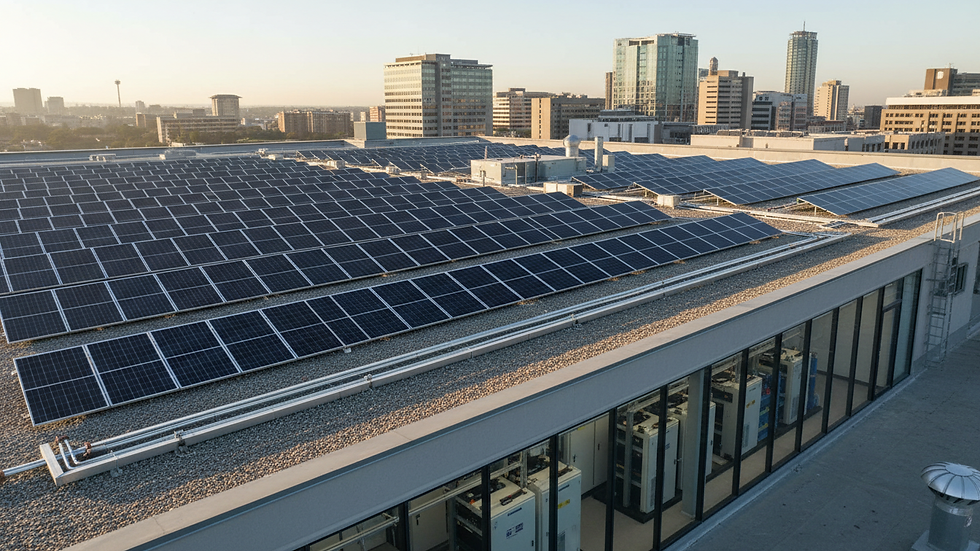
Solar Power Integration: Using solar panels to generate your own electricity and reduce reliance on Eskom.
These strategies not only help you save money but also contribute to a more sustainable energy future.

Practical Eskom Tariff Management Strategies for Your Home and Business
Implementing practical strategies can make a significant difference in how you manage Eskom tariff increases. Here are some actionable steps you can take:
1. Monitor and Control Your Energy Usage
Start by tracking your electricity consumption regularly. Many smart meters and home energy management systems provide real-time data. This information allows you to identify peak usage times and adjust accordingly.
Use timers for appliances like geysers and pool pumps.
Switch off non-essential devices during peak tariff periods.
Encourage energy-saving habits among family members or employees.
2. Invest in Energy-Efficient Lighting and Appliances
Replacing incandescent bulbs with LED lighting can reduce energy consumption by up to 80%. Similarly, upgrading to energy-efficient appliances with high star ratings can lower your electricity usage significantly.
Choose appliances with the highest energy efficiency ratings.
Maintain appliances regularly to ensure optimal performance.
Consider inverter technology for air conditioners and refrigerators.
3. Explore Solar Energy Solutions
Solar power is a viable option for reducing Eskom dependency. Installing solar panels can offset a substantial portion of your electricity needs, especially during daylight hours when tariffs are highest.
Assess your property’s solar potential with a professional installer.
Consider battery storage to maximize solar energy use during peak times.
Take advantage of government incentives and rebates where available.
4. Implement Load Shifting Techniques
Load shifting involves moving energy-intensive activities to off-peak hours when tariffs are lower. This can be particularly effective for businesses and farms with flexible operations.
Schedule irrigation pumps, machinery, or manufacturing processes during off-peak times.
Use programmable timers to automate load shifting.
Combine load shifting with energy storage solutions for maximum benefit.
5. Improve Building Insulation and Energy Efficiency
Better insulation reduces the need for heating and cooling, which are major contributors to electricity consumption.
Insulate walls, roofs, and floors to maintain indoor temperatures.
Use energy-efficient windows and doors.
Seal gaps and cracks to prevent heat loss or gain.
By combining these strategies, you can create a comprehensive approach to managing Eskom tariff increases effectively.

Did Nersa Approve Eskom Electricity Tariff Increase?
The National Energy Regulator of South Africa (Nersa) plays a critical role in approving Eskom’s tariff adjustments. Understanding Nersa’s decisions helps you anticipate changes and plan accordingly.
Nersa evaluates Eskom’s tariff increase applications based on factors such as operational costs, infrastructure investments, and the need to maintain financial viability. While Eskom often requests significant increases, Nersa may approve lower rates to balance consumer protection with Eskom’s sustainability.
Recent approvals have reflected a compromise, with moderate increases aimed at supporting Eskom’s financial health without overburdening consumers. Staying informed about Nersa’s announcements allows you to prepare for upcoming tariff changes and adjust your energy management strategies proactively.
How to Benefit from Eskom Tariff Increase Solutions
Facing rising electricity costs can be daunting, but there are practical ways to respond. One effective approach is to explore eskom tariff increase solutions offered by trusted energy partners. These solutions often include:
Customized energy audits and consultations
Installation of solar power systems and battery storage
Energy management systems tailored to your needs
Ongoing support and maintenance services
By partnering with experts, you gain access to technologies and strategies that reduce your electricity bills and enhance energy security. This proactive approach not only cushions the impact of tariff hikes but also contributes to long-term sustainability.
Building Energy Independence and Security
Achieving energy independence is a goal worth pursuing. It reduces your vulnerability to Eskom tariff fluctuations and power outages. Here are some steps to build a more secure energy future:
Hybrid Energy Systems: Combine solar power with Eskom supply and backup generators for reliability.
Energy Storage: Invest in batteries to store excess solar energy for use during peak hours or outages.
Smart Energy Management: Use automation and monitoring tools to optimize energy use continuously.
Regular Maintenance: Keep your energy systems in top condition to ensure efficiency and longevity.
By taking control of your energy sources and consumption, you create resilience against Eskom tariff increases and improve your overall operational stability.
Managing Eskom tariff increases requires a thoughtful and proactive approach. By understanding tariff structures, adopting energy-efficient practices, and leveraging innovative solutions, you can reduce your electricity costs and enhance energy security. Whether you are a homeowner, business owner, or agricultural operator, these strategies empower you to face rising tariffs with confidence and control.


Comments