

Reliable Power with Off-Grid Energy Systems
- Oct 28, 2025
- 4 min read
In today’s world, having a reliable power source is essential. Whether you live in a remote area or want to reduce your dependence on the grid, independent energy systems offer a practical solution. These systems provide energy autonomy, reduce electricity costs, and promote sustainability. This article explores the benefits, components, and practical tips for setting up your own independent energy system.
Understanding Independent Energy Systems
Independent energy systems are designed to operate without relying on the traditional power grid. They generate, store, and manage electricity locally, giving users full control over their energy supply. This independence is especially valuable in areas where grid access is limited or unreliable.
There are several types of independent energy systems, including solar, wind, and hybrid setups. Solar power is the most popular due to its accessibility and decreasing costs. Wind turbines can complement solar panels, especially in windy regions. Hybrid systems combine multiple energy sources to ensure a steady power supply.
Benefits of independent energy systems include:
Energy security: No interruptions caused by grid failures.
Cost savings: Reduced or eliminated electricity bills.
Environmental impact: Lower carbon footprint by using renewable energy.
Flexibility: Systems can be scaled to fit different energy needs.
By investing in an independent energy system, you gain control over your power, reduce your environmental impact, and often increase your property value.

Key Components of Independent Energy Systems
To build a reliable independent energy system, you need several essential components working together:
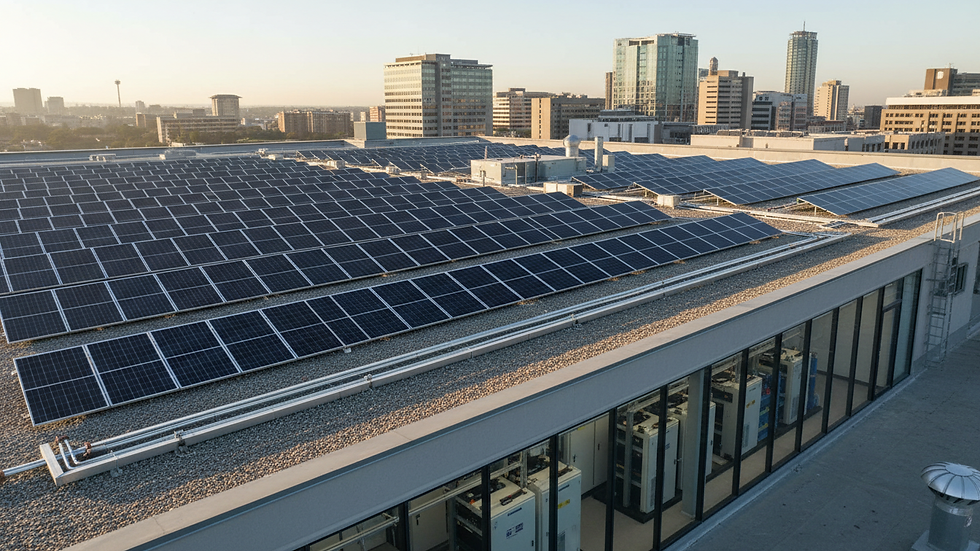
Energy Generation: This is the source of power, such as solar panels or wind turbines. Solar panels convert sunlight into electricity, while wind turbines harness wind energy.
Energy Storage: Batteries store excess energy generated during peak production times. This stored energy can be used when generation is low, such as at night or during calm weather.
Charge Controller: This device regulates the flow of electricity from the generation source to the batteries, preventing overcharging and damage.
Inverter: Converts the stored direct current (DC) electricity into alternating current (AC), which is used by most household appliances.
Backup Generator (optional): Provides additional power during extended periods of low renewable energy generation.
Each component plays a vital role in ensuring your system runs smoothly and efficiently. Choosing high-quality parts and proper installation are critical for long-term reliability.
What is an off-grid power system?
An off-grid power system is a type of independent energy system that operates completely disconnected from the main electricity grid. It is designed to provide all the power needed for a home or business without any external electricity supply.
Off-grid systems are ideal for remote locations, cabins, farms, or any place where connecting to the grid is impractical or too expensive. They rely heavily on renewable energy sources like solar and wind, combined with battery storage to maintain power availability.
One of the main challenges of off-grid systems is managing energy consumption and storage effectively. Users must balance their energy use with the available power, especially during periods of low sunlight or wind. Proper system sizing and energy-efficient appliances help overcome these challenges.
For those interested in exploring options, off-grid energy systems provide a comprehensive solution tailored to various needs and environments.

Practical Tips for Setting Up Your Independent Energy System
Setting up an independent energy system requires careful planning and consideration. Here are some actionable recommendations to help you get started:
1. Assess Your Energy Needs
Calculate your daily energy consumption by listing all appliances and their usage hours. This will help you determine the size of the system you need. Consider future expansion or additional devices.
2. Choose the Right Energy Source
Evaluate the natural resources available in your area. If you get plenty of sunlight, solar panels are the best choice. If your location is windy, consider adding wind turbines. Hybrid systems can offer more reliability.
3. Invest in Quality Components
Select reputable brands for solar panels, batteries, inverters, and controllers. Quality components last longer and perform better, reducing maintenance costs.
4. Plan for Energy Storage
Batteries are crucial for storing energy. Choose batteries with sufficient capacity and lifespan. Lithium-ion batteries are popular for their efficiency and durability.
5. Optimize Energy Usage
Use energy-efficient appliances and LED lighting to reduce consumption. Implement smart energy management practices, such as running high-energy devices during peak generation times.
6. Professional Installation and Maintenance
Hire experienced technicians for installation to ensure safety and optimal performance. Regular maintenance checks will keep your system running smoothly.
By following these steps, you can create a reliable and efficient independent energy system tailored to your needs.
The Future of Independent Energy Systems
As technology advances, independent energy systems are becoming more accessible and affordable. Innovations in battery technology, smart energy management, and renewable energy generation continue to improve system efficiency and reliability.
Governments and organizations worldwide are promoting renewable energy adoption through incentives and subsidies. This support makes it easier for individuals and businesses to invest in independent energy solutions.
Moreover, independent energy systems contribute to a more resilient energy infrastructure. They reduce the strain on national grids and help communities become self-sufficient during emergencies or natural disasters.
In the near future, expect to see more integration of independent energy systems with smart home technologies and electric vehicles, creating a seamless and sustainable energy ecosystem.
Reliable power is no longer a luxury but a necessity. Independent energy systems offer a practical way to achieve energy autonomy, reduce costs, and protect the environment. Whether you are in a remote area or simply want to embrace renewable energy, these systems provide a dependable solution for your power needs. Start exploring your options today and take control of your energy future.


Comments