

Solutions for Rising Eskom Tariffs: How to Manage and Reduce Your Energy Costs
The rising Eskom tariffs have become a significant concern for many households, businesses, and agricultural operations across South Africa. As electricity prices continue to climb, it is essential to explore practical and effective solutions to manage these costs without compromising your energy needs. In this article, I will share insights and actionable strategies that can help you navigate the challenges posed by increasing Eskom tariffs and move towards greater energy independence.
Understanding the Impact of Eskom Tariff Increases
Electricity is a critical utility for daily life and business operations. When Eskom raises tariffs, the immediate effect is a higher monthly electricity bill. This increase affects not only your household budget but also the operational costs of businesses and farms. For many, the rising costs can lead to difficult choices, such as reducing energy consumption or seeking alternative energy sources.
The reasons behind these tariff hikes include Eskom’s financial challenges, maintenance costs, and the need to invest in infrastructure upgrades. While these factors are beyond individual control, understanding them helps us appreciate the urgency of finding solutions that reduce reliance on Eskom’s grid.
Practical Solutions for Eskom Tariffs
Addressing the challenge of rising Eskom tariffs requires a multi-faceted approach. Here are some practical solutions that you can implement to reduce your electricity expenses and increase energy security:
1. Energy Efficiency Improvements
One of the most straightforward ways to reduce your electricity bill is by improving energy efficiency. This involves using less electricity to perform the same tasks. Some effective measures include:
Switching to LED lighting: LED bulbs consume up to 80% less energy than traditional incandescent bulbs.
Upgrading appliances: Choose energy-efficient appliances with high star ratings.
Insulating your home or business: Proper insulation reduces the need for heating and cooling.
Using smart meters and timers: These devices help monitor and control electricity usage, avoiding waste during peak tariff periods.
2. Solar Power Installation
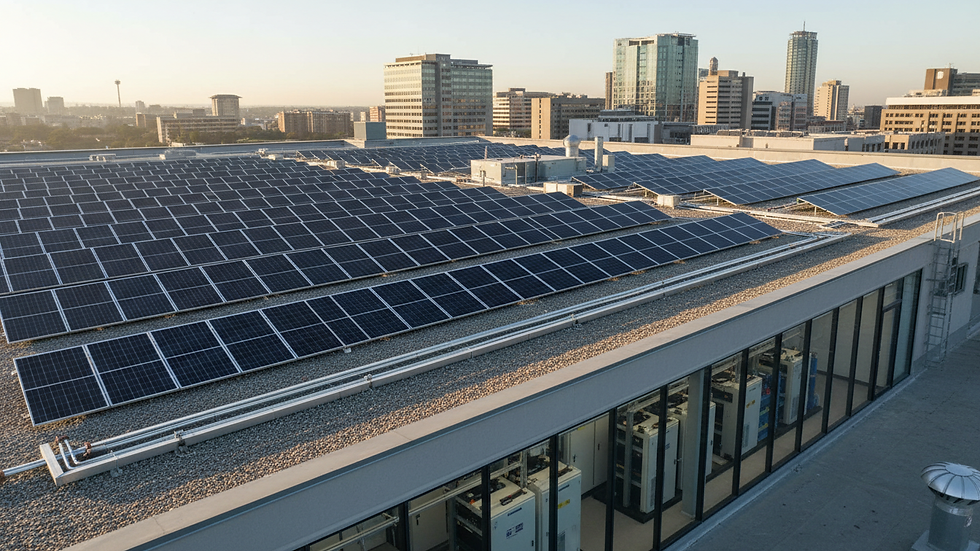
Solar energy is a sustainable and increasingly affordable alternative to Eskom electricity. Installing solar panels allows you to generate your own electricity, reducing your dependence on the grid and protecting you from future tariff increases.
Grid-tied solar systems: These systems allow you to use solar power during the day and draw from Eskom at night.
Off-grid solar systems: Ideal for remote areas or farms, these systems provide complete energy independence.
Solar water heaters: These reduce electricity consumption by using solar energy to heat water.

3. Battery Storage Solutions
Pairing solar panels with battery storage systems can maximize your energy independence. Batteries store excess solar energy generated during the day for use at night or during power outages. This setup ensures a continuous power supply and further reduces Eskom electricity consumption.
Lithium-ion batteries: Popular for their efficiency and lifespan.
Lead-acid batteries: More affordable but require regular maintenance.
Hybrid systems: Combine solar, battery storage, and Eskom grid connection for flexibility.
4. Load Management and Demand Response
Managing when and how you use electricity can significantly reduce your costs. Eskom often charges higher rates during peak demand periods. By shifting energy-intensive activities to off-peak times, you can lower your bills.
Time-of-use tariffs: Understand your tariff structure and plan usage accordingly.
Automated load control: Use smart devices to schedule appliances like geysers, pumps, and industrial machinery.
Energy audits: Conduct professional audits to identify and address inefficient energy use.
Did Nersa Approve Eskom Electricity Tariff Increase?
The National Energy Regulator of South Africa (Nersa) plays a crucial role in approving Eskom’s tariff increases. Nersa evaluates Eskom’s financial needs, operational costs, and the impact on consumers before granting approval for tariff hikes.
In recent years, Nersa has approved several tariff increases to help Eskom cover its costs and invest in infrastructure. However, these approvals often come with conditions aimed at protecting consumers and encouraging energy efficiency.
Understanding Nersa’s role helps you stay informed about future tariff changes and prepare accordingly. It also highlights the importance of adopting alternative energy solutions to mitigate the impact of these increases.
How Businesses and Farms Can Adapt to Rising Tariffs
For businesses and agricultural operations, electricity costs can represent a significant portion of operating expenses. Here are some tailored strategies to manage rising Eskom tariffs effectively:
1. Invest in Energy-Efficient Equipment
Replacing old machinery and equipment with energy-efficient models can lead to substantial savings. For example, energy-efficient irrigation pumps and refrigeration units consume less electricity while maintaining performance.
2. Implement Renewable Energy Projects
Large-scale solar installations or wind turbines can provide reliable power for farms and businesses. These projects often qualify for government incentives and can improve your sustainability profile.
3. Optimize Operational Hours
Adjusting work schedules to avoid peak electricity rates can reduce costs. For example, running heavy machinery during off-peak hours or at night when tariffs are lower.
4. Monitor and Control Energy Use
Using energy management systems allows you to track consumption in real-time and identify areas for improvement. This data-driven approach helps optimize energy use and reduce waste.

Moving Towards Energy Independence with Elicity
Achieving energy independence is not just about reducing costs; it is about securing a reliable and sustainable energy future. Companies like Elicity specialize in providing tailored energy solutions that empower homes, businesses, and farms across South Africa.
With over a decade of experience, Elicity offers trusted installations of solar power systems, battery storage, and energy management solutions. Their expertise helps you transition smoothly from reliance on Eskom to a more secure and cost-effective energy setup.
By partnering with experts, you can access the latest technologies and receive ongoing support to maximize your energy savings and security.
Taking Action Today for a Sustainable Tomorrow
Rising Eskom tariffs are a reality that requires proactive measures. By improving energy efficiency, investing in renewable energy, and managing your electricity use wisely, you can significantly reduce your exposure to tariff increases.
If you want to explore more about **eskom tariff increase solutions**, consider consulting with energy experts who understand the local context and can tailor solutions to your specific needs.
Together, we can build a future where energy costs are manageable, and energy security is assured. Start today by assessing your current energy use and exploring the options that best fit your home, business, or farm.
By taking these steps, you not only protect yourself from rising costs but also contribute to a greener, more sustainable South Africa.


Comments