

Tailored Energy Solutions for South African Businesses
- Nov 17, 2025
- 3 min read
South African businesses face unique challenges when it comes to energy. Frequent power outages, rising electricity costs, and environmental concerns push companies to seek reliable and sustainable alternatives. Solar energy has emerged as a powerful solution, offering tailored options that meet the specific needs of businesses across various industries. This article explores how solar for businesses can transform energy consumption, reduce costs, and promote sustainability in South Africa.
Understanding Solar for Businesses in South Africa
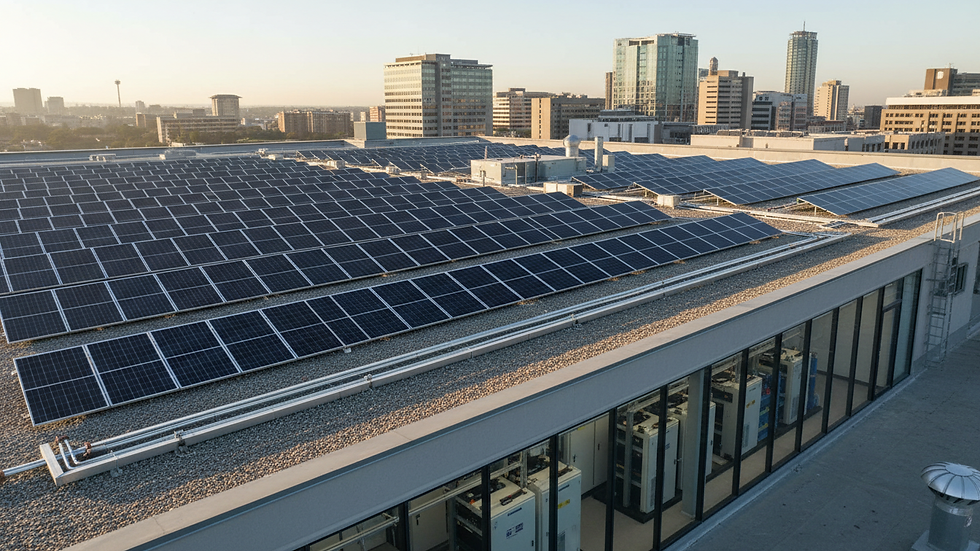
Solar energy harnesses the sun’s power to generate electricity, making it an ideal choice for South African businesses due to the country’s abundant sunlight. Installing solar panels can significantly reduce dependence on the national grid, which is often unreliable and expensive.
Why Solar Energy Makes Sense for Businesses
Cost Savings: Solar systems reduce monthly electricity bills by generating free power from the sun.
Energy Independence: Businesses can avoid disruptions caused by load shedding.
Environmental Impact: Solar reduces carbon footprints, aligning with global sustainability goals.
Government Incentives: Various rebates and tax benefits encourage solar adoption.
For example, a manufacturing company in Gauteng installed a solar system that cut its electricity costs by 40% within the first year. This not only improved their bottom line but also enhanced their reputation as an eco-friendly business.

How Solar for Businesses Can Be Tailored to Your Needs
Every business has unique energy requirements. Tailored solar solutions consider factors such as energy consumption patterns, roof space, budget, and future growth plans.
Key Components of a Tailored Solar Solution
Energy Audit: Assess current energy use and identify peak demand times.
System Design: Customize panel layout and capacity to match energy needs.
Battery Storage: Include batteries to store excess energy for use during outages or night time.
Monitoring Systems: Implement real-time monitoring to optimize performance.
Maintenance Plans: Schedule regular checks to ensure system efficiency.
For instance, a retail chain with multiple outlets can benefit from a hybrid solar system that combines grid power with solar and battery storage. This setup ensures continuous operation even during power cuts.
Exploring Business Energy Solutions for Sustainable Growth
Investing in business energy solutions like solar power is not just about cutting costs. It’s a strategic move towards sustainable growth and resilience.
Benefits Beyond Savings
Brand Image: Demonstrating commitment to green energy attracts eco-conscious customers.
Regulatory Compliance: Staying ahead of environmental regulations avoids penalties.
Employee Morale: Working for a sustainable company boosts staff pride and retention.
Long-Term Stability: Fixed energy costs protect against future price hikes.
A case study from Cape Town shows a logistics company that integrated solar power and reduced its carbon emissions by 60%, gaining new clients who prioritize sustainability in their supply chain.

Practical Steps to Implement Solar for Your Business
Transitioning to solar energy requires careful planning and execution. Here are actionable recommendations to get started:
Conduct a Feasibility Study: Evaluate your site’s solar potential and financial viability.
Choose a Reputable Provider: Work with experienced companies that offer customized solutions.
Secure Financing: Explore options like leasing, loans, or government grants.
Plan Installation Timing: Schedule installation during low business activity to minimize disruption.
Train Staff: Educate employees on system operation and energy-saving practices.
By following these steps, businesses can ensure a smooth transition to solar energy with maximum benefits.
Future Trends in Solar Energy for South African Businesses
The solar industry is evolving rapidly, offering new technologies and opportunities for businesses.
Innovations to Watch
Smart Solar Systems: Integration with IoT for enhanced energy management.
Solar + Storage: Advanced battery technologies for longer backup power.
Microgrids: Localized grids that increase energy security.
Green Hydrogen: Emerging as a complementary clean energy source.
Staying informed about these trends allows businesses to upgrade their systems and maintain competitive advantages.
Adopting solar for businesses in South Africa is a forward-thinking strategy that addresses energy challenges while promoting sustainability. Tailored solar solutions provide flexibility, cost savings, and environmental benefits that empower companies to thrive in a changing energy landscape. By investing in business energy solutions, South African enterprises can secure a brighter, cleaner future.


Comments