

The Value of Business Energy Audits in Cape Town: Unlocking Business Energy Audit Benefits
In today’s fast-evolving energy landscape, understanding how your business consumes energy is more important than ever. Energy costs can significantly impact your bottom line, especially in regions like Cape Town where electricity prices fluctuate and supply can be unpredictable. Conducting a business energy audit offers a clear path to identifying inefficiencies, reducing costs, and improving sustainability. In this post, I will walk you through the key benefits of business energy audits, practical steps to get started, and why Cape Town businesses should consider this essential service.
Understanding Business Energy Audit Benefits
A business energy audit is a comprehensive assessment of your energy use. It involves analyzing your current consumption patterns, identifying waste, and recommending improvements. The benefits of such an audit extend beyond just cost savings.
Cost Reduction and Financial Savings
One of the most immediate benefits is the potential for significant cost savings. By pinpointing where energy is wasted, you can take targeted actions to reduce consumption. For example, upgrading to energy-efficient lighting or optimizing HVAC systems can lower your monthly electricity bills. Over time, these savings can add up to thousands of rands, freeing up capital for other business needs.
Enhanced Operational Efficiency
Energy audits often reveal inefficiencies in equipment and processes. Addressing these can improve overall operational efficiency. For instance, recalibrating machinery or improving insulation can reduce energy demand without compromising productivity. This not only saves money but also extends the lifespan of your equipment.
Environmental Responsibility and Compliance
Cape Town businesses are increasingly expected to demonstrate environmental responsibility. A business energy audit helps you identify ways to reduce your carbon footprint. This can improve your brand image and ensure compliance with local regulations and sustainability standards. It also positions your business as a leader in the transition to greener practices.

How to Conduct a Business Energy Audit
Conducting a business energy audit involves several key steps. Whether you choose to do it yourself or hire a professional, understanding the process will help you maximize the benefits.
Step 1: Collect Energy Data
Start by gathering your energy bills for the past 12 months. This data provides a baseline for your consumption patterns. Look for trends such as peak usage times and seasonal variations.
Step 2: Inspect Equipment and Facilities
Walk through your premises to inspect lighting, heating, cooling, and production equipment. Note any outdated or inefficient devices. Check for leaks, poor insulation, or other issues that could cause energy loss.
Step 3: Analyze Usage Patterns
Use the collected data to identify areas of high energy use. For example, are certain machines running longer than necessary? Is lighting left on in unoccupied areas? This analysis helps prioritize improvements.
Step 4: Recommend Improvements
Based on your findings, develop a list of actionable recommendations. These might include:
Switching to LED lighting
Installing programmable thermostats
Upgrading to energy-efficient appliances
Implementing employee energy-saving practices
Step 5: Implement and Monitor
After making changes, continue to monitor your energy consumption. This ensures that improvements are effective and helps identify further opportunities.
Why Cape Town Businesses Should Prioritize Energy Audits
Cape Town faces unique energy challenges, including load shedding and rising electricity tariffs. These factors make energy efficiency not just a cost-saving measure but a necessity.
Mitigating Load Shedding Impact
Load shedding disrupts business operations and can lead to lost revenue. An energy audit can help you identify critical systems that need backup power or energy storage solutions. This proactive approach minimizes downtime and maintains productivity.
Taking Advantage of Renewable Energy
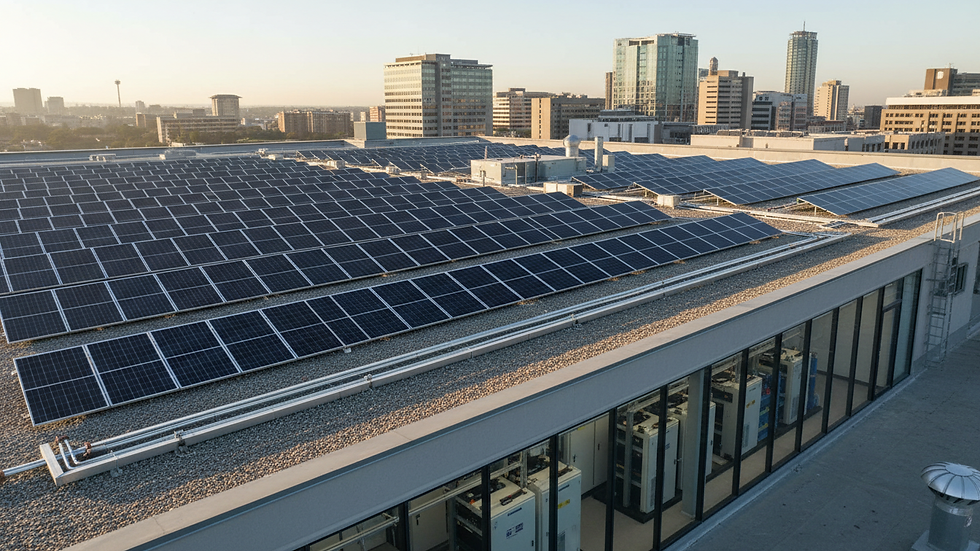
Cape Town’s climate is ideal for solar energy. An energy audit can assess your facility’s suitability for solar panel installation, helping you reduce reliance on the grid. This aligns with Elicity’s mission to empower businesses with energy independence.
Accessing Incentives and Rebates
The South African government and local authorities sometimes offer incentives for energy efficiency upgrades. A professional audit can help you qualify for these programs, reducing upfront costs.

Practical Tips for Maximizing Your Energy Audit Benefits
To get the most out of your business energy audit, consider these practical tips:
Engage Employees: Educate your team about energy-saving practices. Simple actions like turning off unused equipment can make a big difference.
Set Clear Goals: Define what you want to achieve with the audit, whether it’s reducing costs, improving sustainability, or preparing for renewable energy integration.
Choose the Right Partner: If hiring a professional, select a company with local expertise and a proven track record in Cape Town.
Plan for Long-Term Savings: Some improvements may require upfront investment but offer substantial long-term benefits.
Regularly Review Energy Use: Make energy audits a regular part of your business strategy to continuously improve efficiency.
Moving Towards Energy Independence and Security
Energy audits are a critical step towards achieving energy independence and enhancing security. By understanding your energy profile, you can make informed decisions about integrating alternative energy sources and backup systems. This approach not only cuts costs but also protects your business from energy supply disruptions.
If you want to explore how a business energy audit cape town can transform your operations, consider reaching out to experts who can guide you through the process. With the right insights and actions, your business can thrive in a challenging energy environment.
By investing in a business energy audit, you take control of your energy future. The benefits are clear: reduced costs, improved efficiency, environmental responsibility, and greater resilience. In Cape Town’s dynamic energy landscape, this is a smart and necessary step for any business aiming to succeed sustainably.


Comments